
Top UX Design Trends: What You Need to Know


Embracing Minimalism
One of the most enduring trends in UX design is minimalism. By focusing on simplicity and clarity, designers can create interfaces that are not only aesthetically pleasing but also highly functional. This trend is driven by the need to eliminate distractions and provide users with a seamless experience.
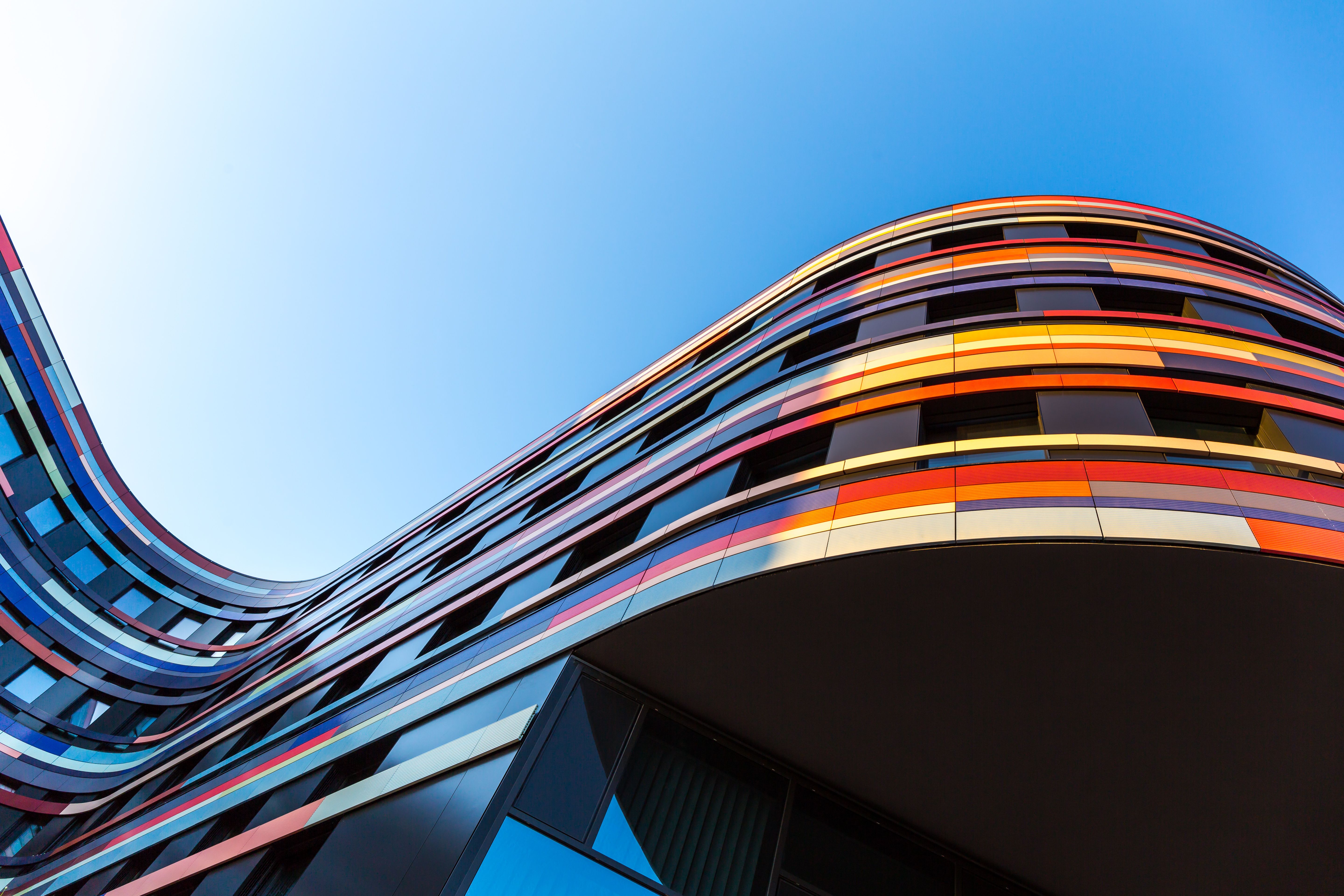
Minimalism emphasizes the use of negative space and a limited color palette, allowing key elements to stand out. By reducing clutter, users can easily navigate and find the information they need, enhancing overall usability and satisfaction.
Personalized User Experiences
Personalization is becoming increasingly important in UX design. By leveraging data and user insights, designers can create tailored experiences that meet individual user needs and preferences. This approach not only improves user engagement but also fosters brand loyalty.
Implementing personalized elements, such as customized content and recommendations, allows users to feel valued and understood. As technology advances, the ability to offer more nuanced personalization will continue to grow.

Voice User Interfaces (VUIs)
With the rise of smart speakers and voice assistants, VUIs are gaining significant traction. This trend is transforming how users interact with technology, offering a hands-free and intuitive way to access information and services.
Designing for voice requires a different approach, focusing on conversation flow and natural language processing. As VUIs become more sophisticated, they will play a crucial role in shaping the future of user experience.
Microinteractions
Microinteractions are subtle animations or design elements that provide feedback or guide users through a process. These small details can significantly enhance the user experience by making interfaces feel more intuitive and engaging.
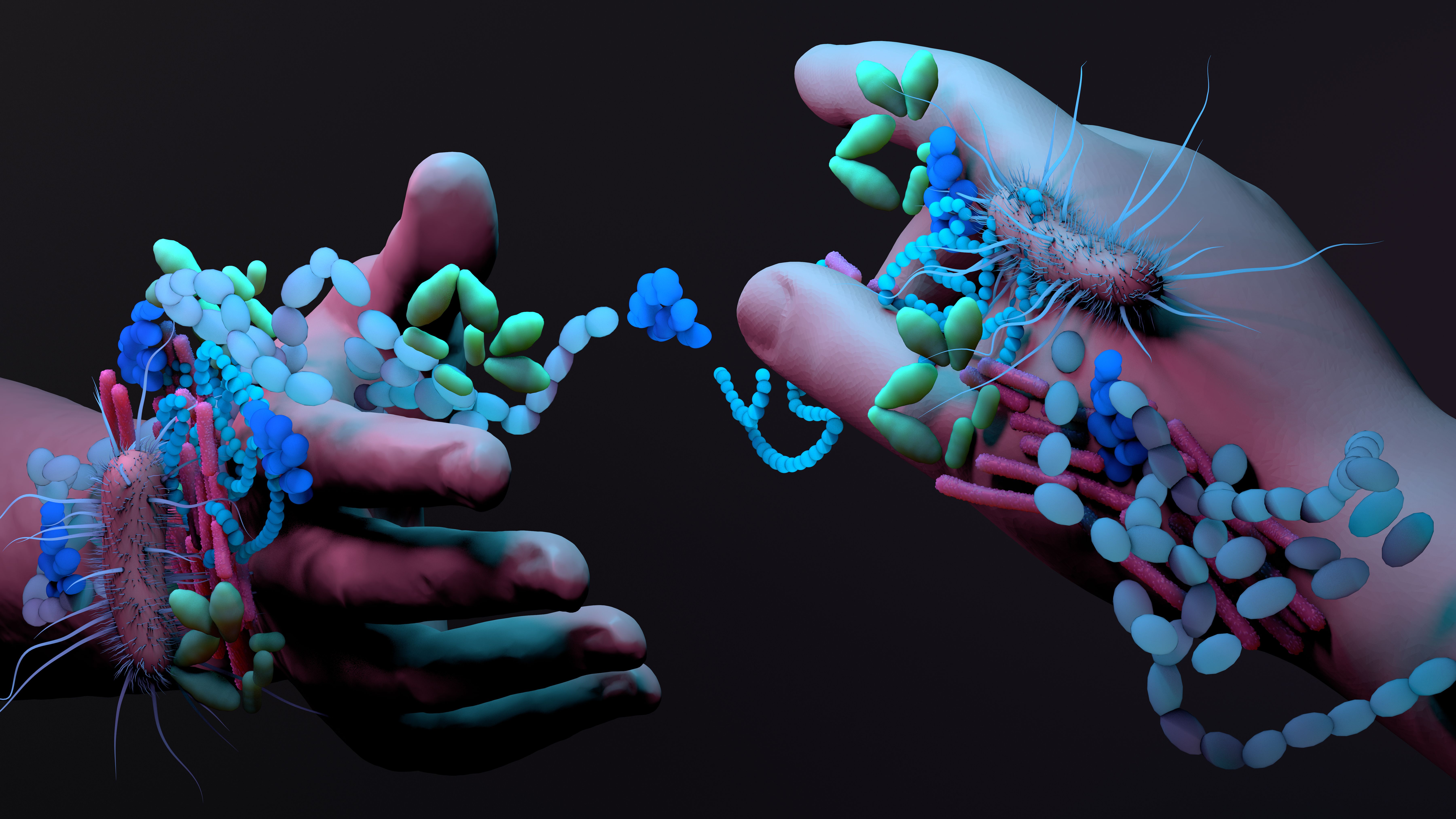
Examples of microinteractions include a subtle animation when a button is clicked or a notification that confirms an action. These elements help create a more interactive and enjoyable experience, encouraging users to engage more deeply with the product.
Augmented Reality (AR) Integration
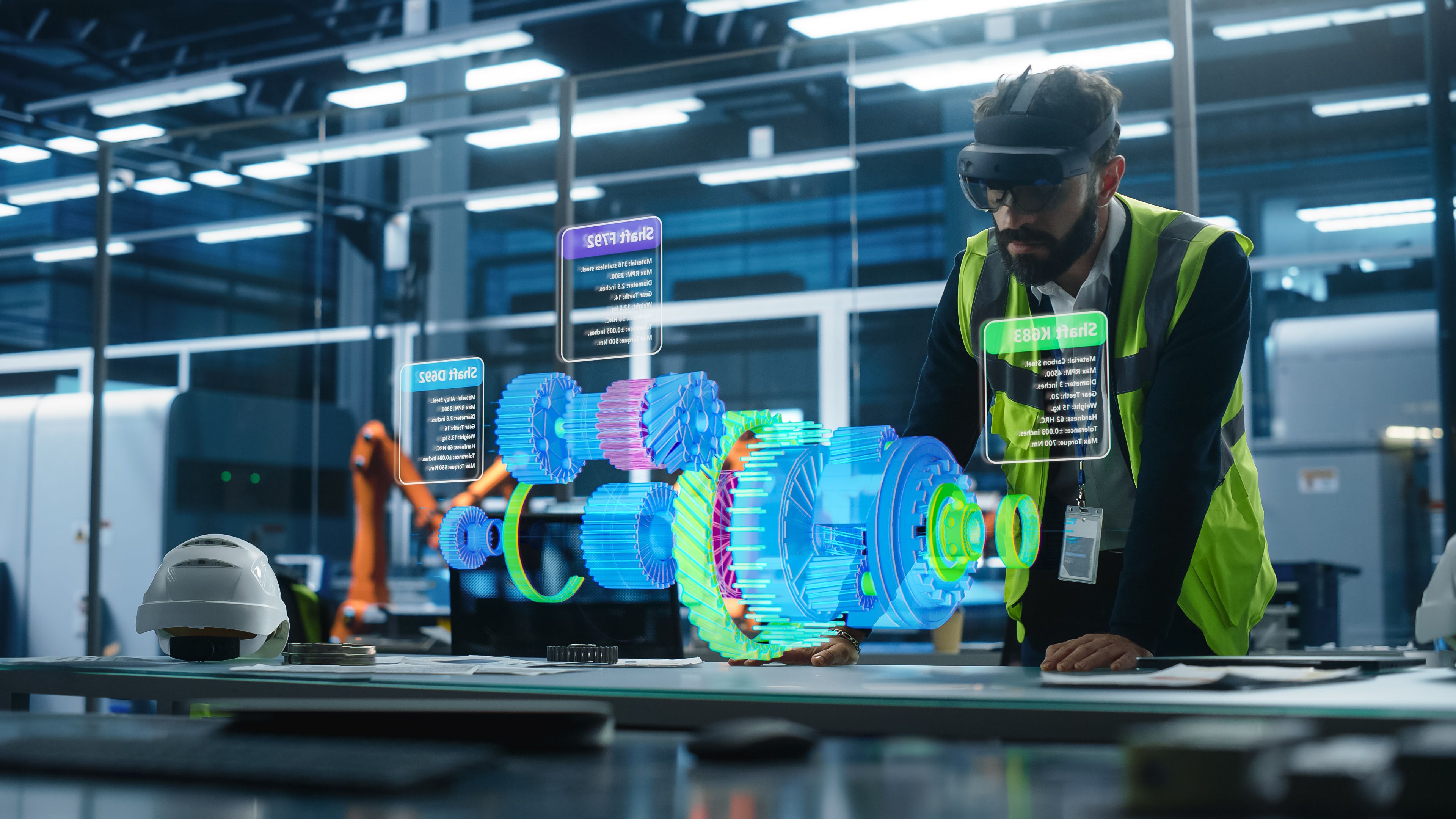
AR technology is increasingly being integrated into UX design, offering immersive and interactive experiences. By overlaying digital information onto the physical world, AR can provide users with enhanced context and engagement.
Industries such as retail, education, and entertainment are leveraging AR to create unique user experiences. As the technology continues to advance, it is expected to become a standard component in UX design strategies.
Dark Mode
Dark mode is a trend that caters to user preferences for aesthetics and comfort. By offering a darker color scheme, interfaces can reduce eye strain and improve readability in low-light environments.
This trend not only enhances user comfort but also extends battery life for devices with OLED screens. As more users seek out dark mode options, it is becoming an essential feature in modern UX design.