
The Latest Trends in UX and Design: What You Need to Know


User-Centered Design
The latest trends in UX and design are heavily focused on creating user-centered experiences. Designers are prioritizing user needs and behaviors, ensuring that every interface is intuitive and seamless. By conducting extensive user research, designers are crafting experiences that not only meet user expectations but also enhance satisfaction.
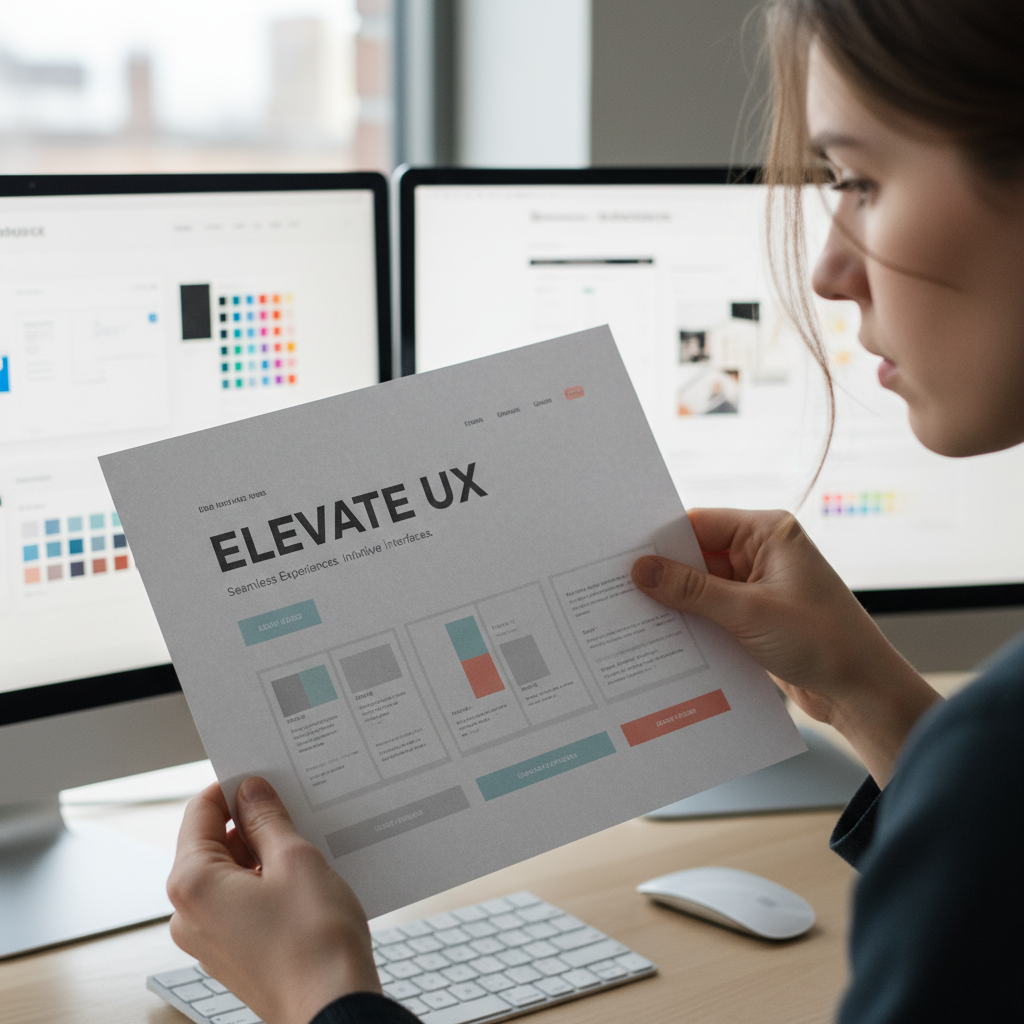
One popular approach is the integration of user feedback loops. This involves continuously gathering user insights and iterating on designs based on this feedback. The result is a more agile design process that evolves with user needs.
Minimalism and Simplicity
Minimalism continues to be a dominant trend in UX design. The principle of "less is more" is applied by reducing clutter and focusing on essential elements. This creates cleaner interfaces that are easier to navigate and more visually appealing.
Simplicity also extends to color schemes and typography. Designers are opting for neutral colors and clean fonts to ensure that the content stands out without overwhelming the user. This approach helps in maintaining a balance between aesthetics and functionality.
Immersive Experiences
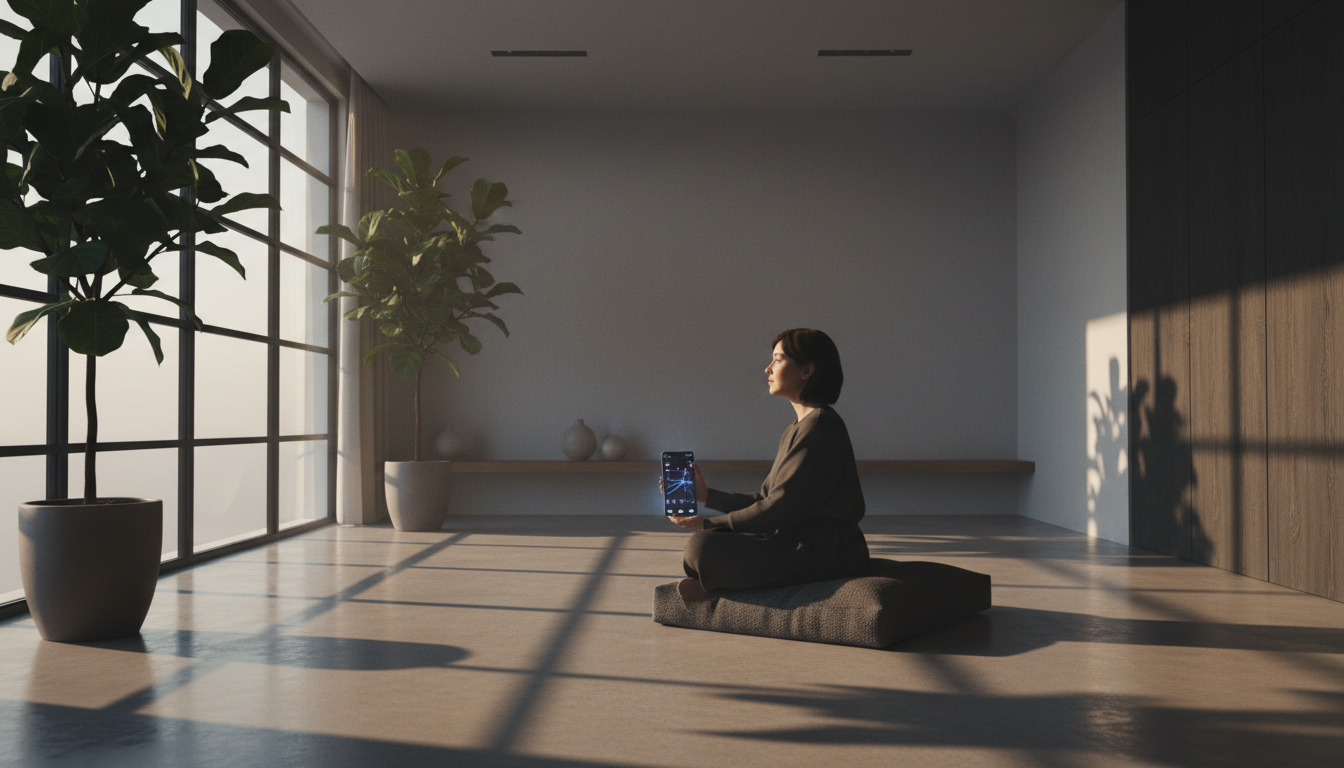
With the rise of technologies like augmented reality (AR) and virtual reality (VR), creating immersive experiences is becoming increasingly important. These technologies allow users to interact with products and services in a more engaging way, providing a sense of presence that traditional interfaces cannot offer.
Brands are leveraging AR and VR to create unique experiences that captivate their audience, such as virtual try-ons or immersive storytelling. This trend is expected to grow as technology becomes more accessible and integrated into everyday devices.
Accessibility and Inclusivity
Ensuring accessibility and inclusivity is a crucial aspect of modern UX design. Designers are focusing on creating interfaces that are usable by everyone, including people with disabilities. This involves considering various accessibility guidelines and implementing features like screen reader support and keyboard navigation.
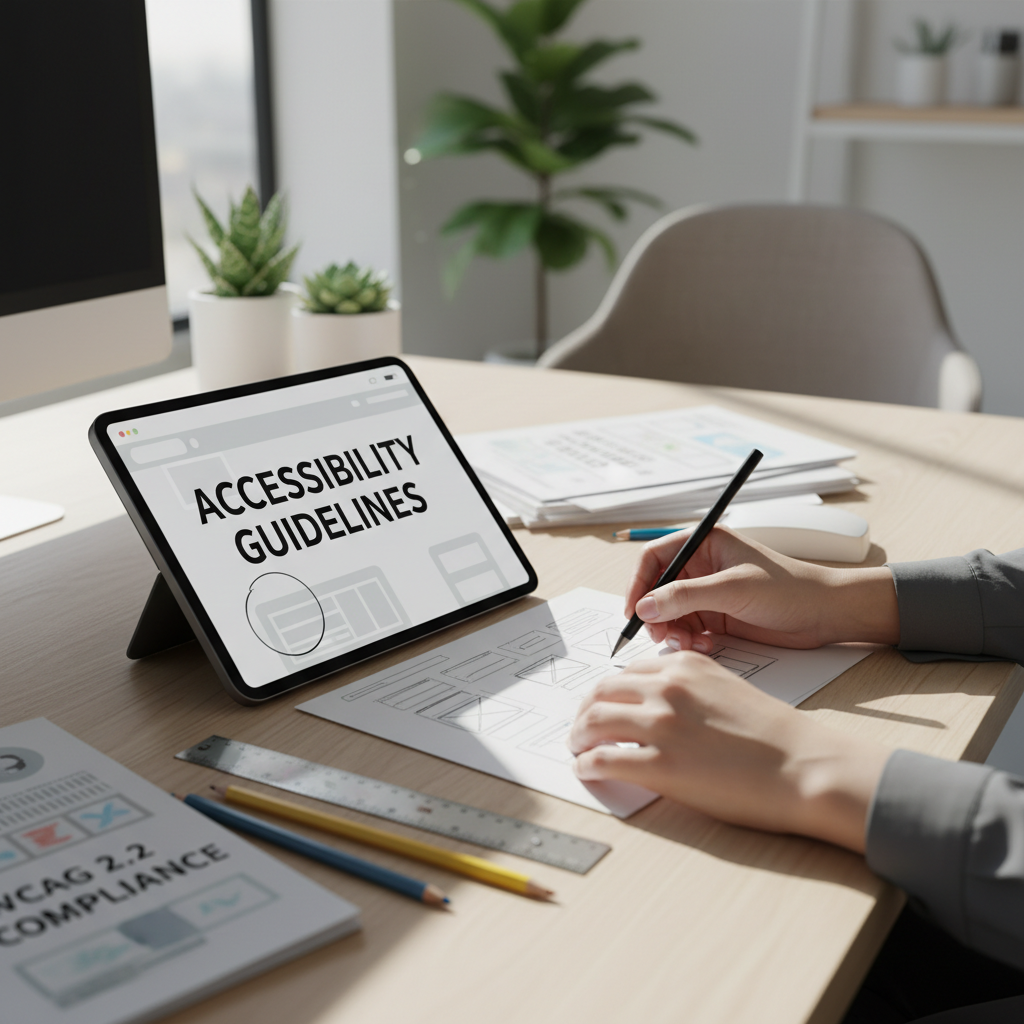
Inclusivity also means designing for a diverse audience. This includes considering cultural differences and creating experiences that resonate with users from different backgrounds. By doing so, companies can reach a wider audience and foster a more inclusive digital environment.
Microinteractions and Animation
Microinteractions are subtle animations or design elements that enhance user interaction. These small details can significantly improve the user experience by providing feedback, guiding users, or making the interface more engaging. Examples include animated buttons or loading spinners.
Animations are also being used to create a more dynamic and interactive experience. However, it's important to use them sparingly to avoid overwhelming users or causing performance issues.

By staying updated with these trends, designers can create interfaces that are not only functional and beautiful but also user-friendly and inclusive. As the digital landscape continues to evolve, embracing these trends will be essential for delivering exceptional user experiences.