
The Future of UX Design: Integrating AI for Enhanced User Experience


In recent years, the integration of artificial intelligence (AI) has significantly transformed the landscape of user experience (UX) design. With technological advancements, AI is not just a tool but a partner in shaping the future of UX, promising more intuitive and personalized experiences for users across various platforms.
AI's capability to analyze vast amounts of data enables designers to understand user behavior at a granular level. This understanding allows for the creation of designs that are not only aesthetically pleasing but also highly functional. By leveraging AI, designers can predict user needs and tailor experiences that resonate with individual preferences.
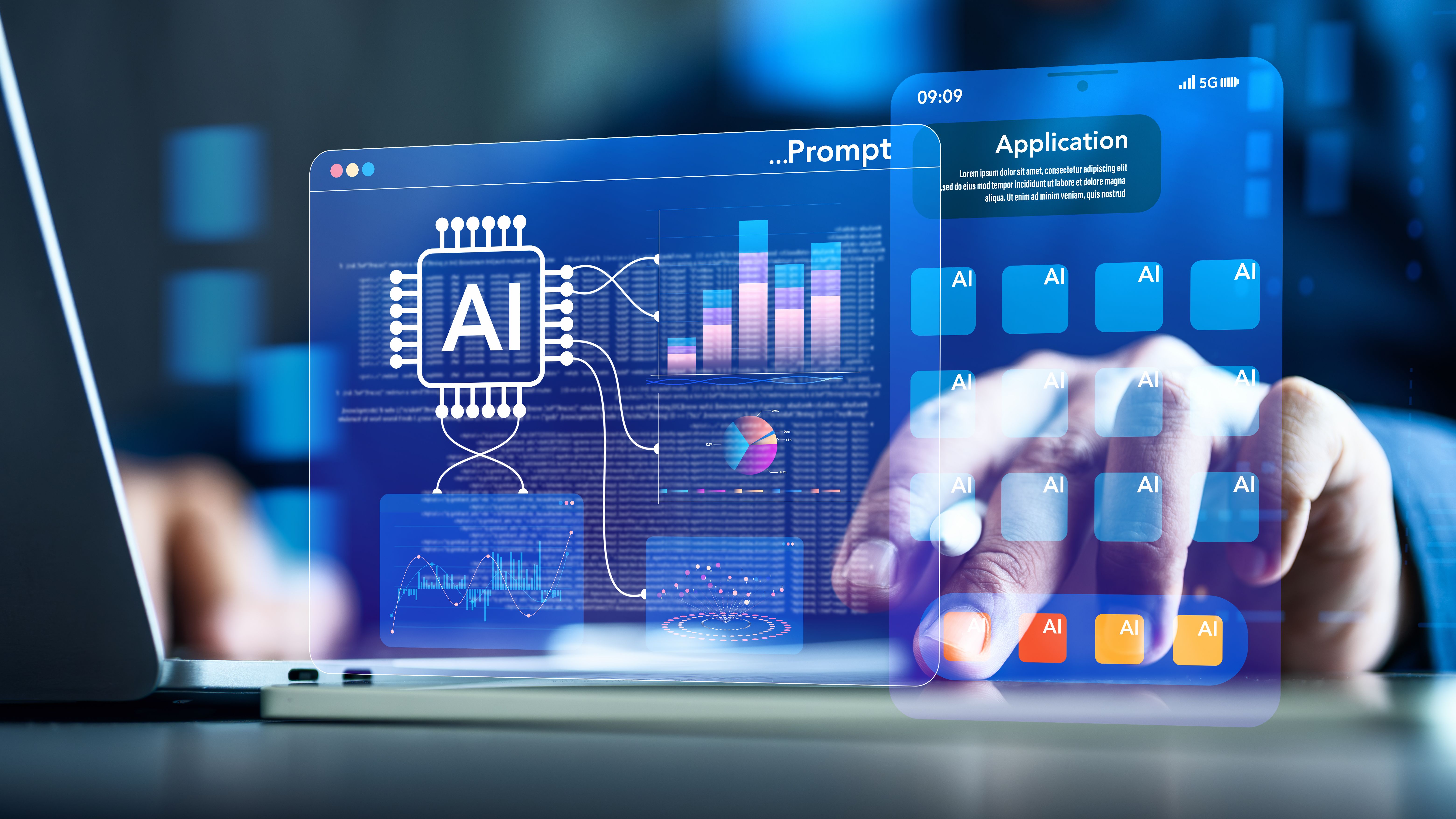
Enhancing User Interaction with AI
One of the most exciting developments is the use of AI to enhance user interaction. AI-powered chatbots and virtual assistants are becoming increasingly sophisticated, offering real-time support and guidance. These tools can learn from interactions, improving their responses over time and providing users with a seamless experience.
Moreover, AI can automate routine tasks, allowing users to focus on more critical activities. For instance, AI can help streamline navigation processes, suggest relevant content, and even personalize the user interface based on past interactions.
Personalization at Scale
AI's ability to process and analyze user data means that personalization can be achieved at scale. Rather than a one-size-fits-all approach, businesses can offer customized experiences to each user. This personalization can manifest in various ways, such as recommending products or adjusting the layout of a website to suit individual preferences.

Such tailored experiences not only enhance user satisfaction but also increase engagement and retention rates. As AI continues to evolve, the potential for even more nuanced personalization will grow, making it an indispensable tool in UX design.
Challenges and Ethical Considerations
While the integration of AI in UX design offers numerous benefits, it also presents challenges and ethical considerations. Designers must ensure that AI systems respect user privacy and handle data responsibly. Transparency is crucial, as users need to understand how their data is being used and have confidence in the system.
Additionally, there is the risk of over-reliance on AI, which might lead to a loss of human touch in design. It's essential to strike a balance where AI enhances rather than replaces human creativity and empathy in UX design.

Future Prospects
Looking ahead, the future of UX design with AI integration appears promising. As AI technologies become more advanced, we can expect more immersive and interactive experiences. Augmented reality (AR) and virtual reality (VR) combined with AI could revolutionize how users interact with digital content, offering experiences that are both engaging and informative.
Moreover, AI could play a pivotal role in accessibility, ensuring that digital experiences are inclusive and cater to users with diverse needs. By automating accessibility checks and adjustments, AI can help create more universally usable designs.
The journey of integrating AI into UX design is just beginning, and the possibilities are endless. By embracing these technologies thoughtfully, designers can create user experiences that are not only efficient but also deeply satisfying and meaningful.