
The Future of UX: Integrating AI for a Seamless User Experience


Understanding the Role of AI in UX
The integration of Artificial Intelligence (AI) in User Experience (UX) design is transforming the way users interact with digital platforms. As technology evolves, AI is becoming an essential tool for creating more intuitive and personalized user experiences. From predictive analytics to real-time data processing, AI is reshaping the UX landscape.
AI's ability to analyze vast amounts of data allows designers to gain insights into user behavior and preferences. This data-driven approach helps in crafting experiences that are not only seamless but also highly engaging. By understanding user needs, AI can suggest personalized content and features, enhancing user satisfaction and loyalty.

Personalization at Its Best
One of the most significant advantages of integrating AI into UX is its capacity for personalization. AI algorithms can analyze user data to deliver tailored content and recommendations. This personalization can occur in real-time, ensuring that users receive the most relevant and engaging experiences possible.
For instance, AI can track user interactions and preferences to suggest products, services, or content that align with their interests. This level of customization not only improves user satisfaction but also increases conversion rates and customer retention.
Challenges and Considerations
While AI offers numerous benefits, there are challenges to consider. Privacy concerns are at the forefront, as users may be wary of how their data is being used. It is crucial for businesses to maintain transparency and ensure data security to build trust with their users.

Enhancing Accessibility and Inclusivity
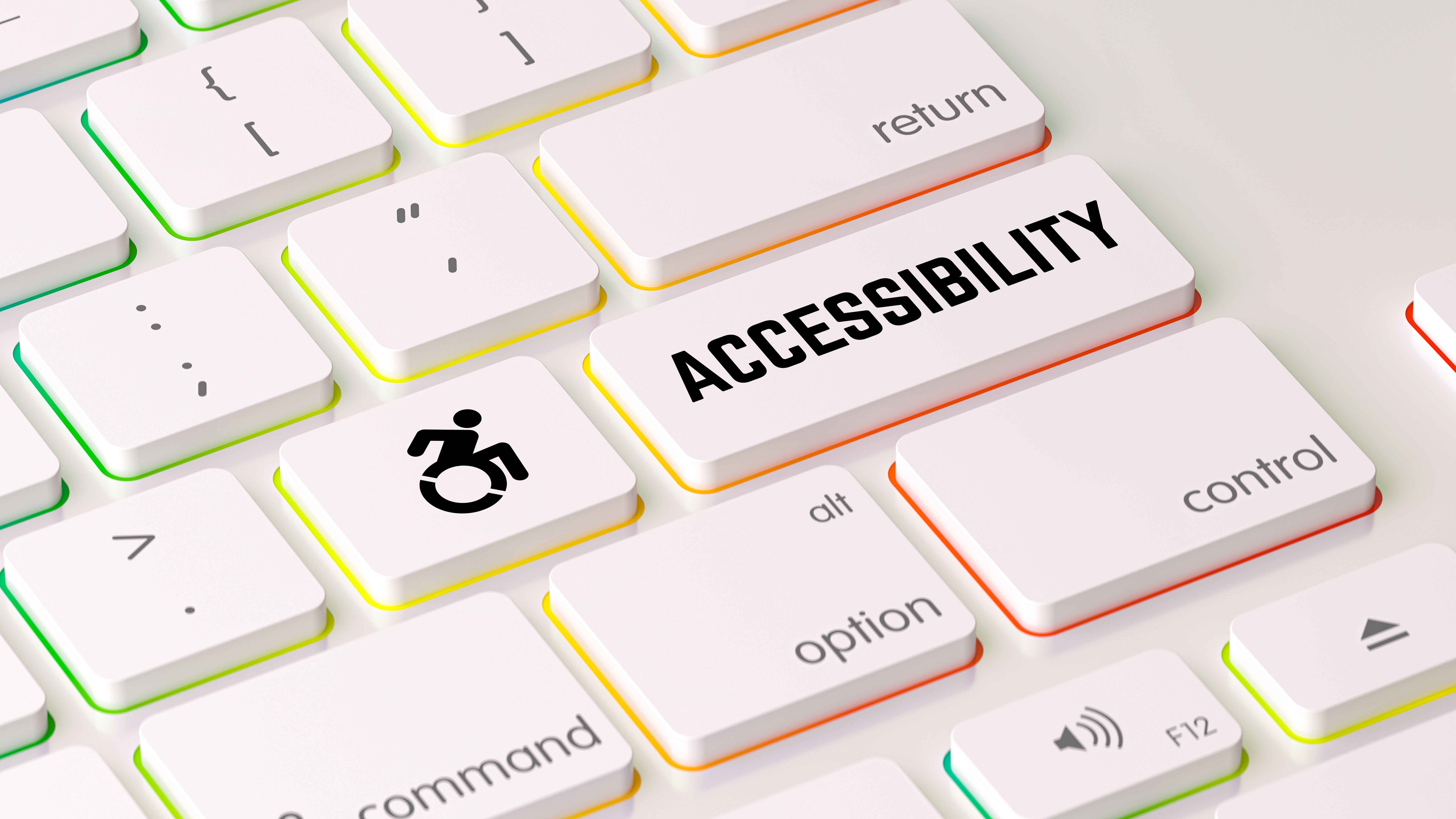
AI is also playing a vital role in making digital experiences more accessible and inclusive. By leveraging AI, designers can create interfaces that cater to a diverse range of users, including those with disabilities. AI-powered tools can provide voice recognition, text-to-speech, and other accessibility features that enhance user interaction.
Moreover, AI can analyze user feedback to identify areas where accessibility can be improved, ensuring that all users have equal access to digital content and services. This commitment to inclusivity not only broadens the user base but also enhances brand reputation.
The Future of AI-Driven UX
Looking ahead, the future of UX design is closely intertwined with advancements in AI technology. As AI continues to evolve, we can expect even more sophisticated and seamless user experiences. Innovations such as augmented reality (AR) and virtual reality (VR) will further enhance user engagement, offering immersive experiences that were once unimaginable.
Furthermore, AI's role in automating routine tasks will allow designers to focus on more strategic and creative aspects of UX design. This shift will lead to more innovative solutions that meet the ever-changing demands of users.
Conclusion
Integrating AI into UX design is not just a trend; it is a necessity for businesses aiming to stay competitive in the digital age. By harnessing the power of AI, companies can deliver seamless, personalized, and accessible experiences that resonate with users. As we move forward, embracing AI-driven UX will be key to unlocking new opportunities and achieving sustained growth.