
Seasonal UX Design Trends: What to Expect and How to Adapt


Understanding Seasonal UX Design Trends
As the digital landscape evolves, so do the expectations and preferences of users. One of the key factors influencing these changes is the time of year. Seasonal UX design trends are becoming increasingly significant, offering designers opportunities to enhance user engagement. By understanding and leveraging these trends, businesses can create more relevant and appealing user experiences.
Seasonal trends in UX design are not just about aesthetics. They encompass changes in user behavior, needs, and expectations. For instance, during the holiday season, users may prioritize ease of navigation and quick access to promotions. Recognizing these shifts allows designers to tailor experiences that resonate with users at different times of the year.
Key Seasonal Trends to Watch
Color Schemes and Visual Elements
Color schemes often change with the seasons. Spring might bring pastel colors and floral patterns, while winter could emphasize cool blues and whites. Incorporating these elements can make your design feel fresh and aligned with the season. Additionally, visual elements such as icons and imagery can be updated to reflect seasonal themes, creating a more cohesive and engaging user experience.
Behavioral Shifts
Each season brings different user behaviors. For example, in summer, users might be more inclined to explore travel-related content, while winter could see a spike in e-commerce activity. Understanding these behavioral shifts allows designers to prioritize content and features that align with users' seasonal interests.

Adapting to Seasonal Trends
Responsive Design Adjustments
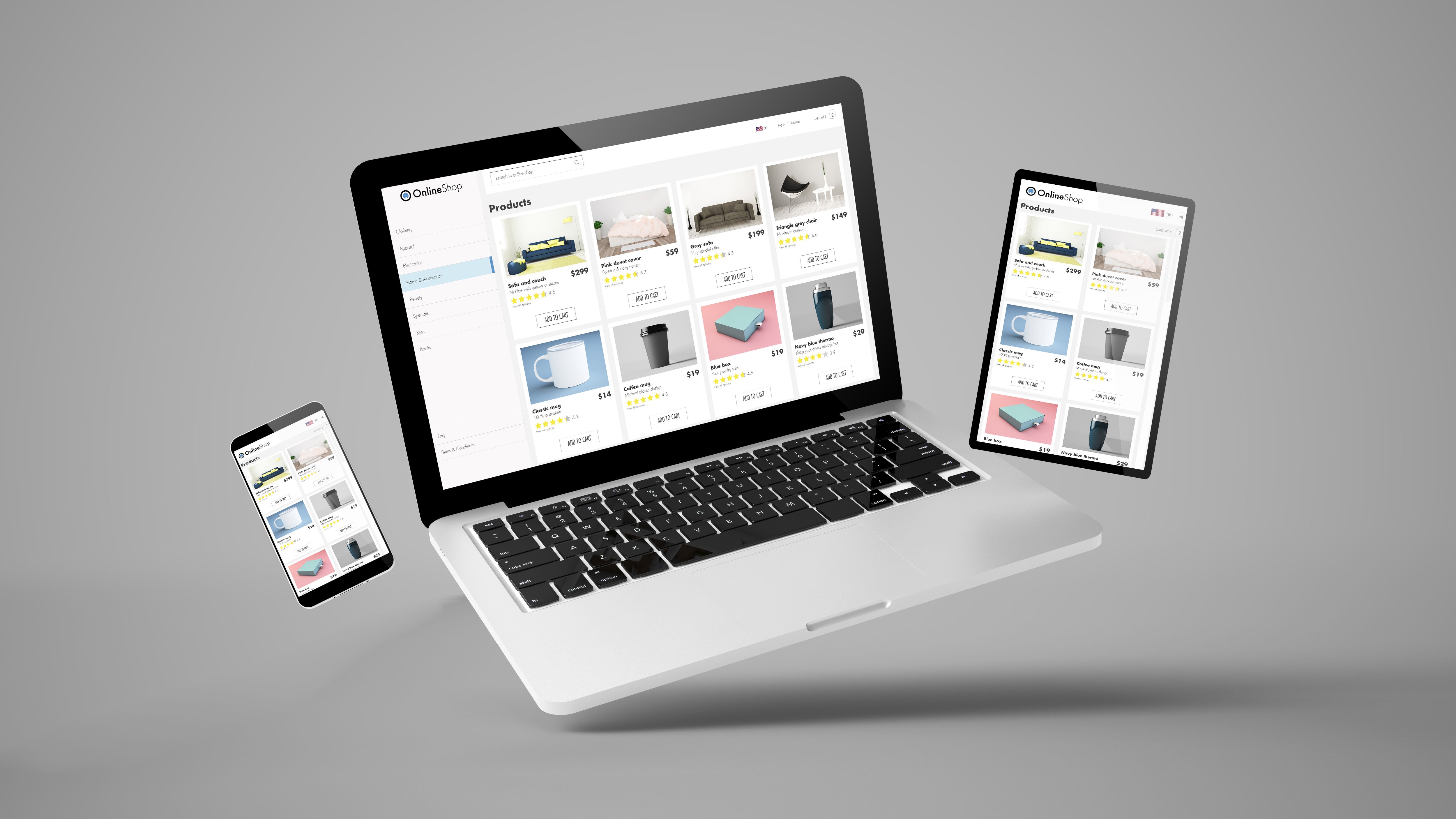
Adapting your design to seasonal trends doesn't mean overhauling your entire site. Instead, focus on making responsive adjustments that enhance user experience. This could involve updating banners, tweaking color palettes, or adding seasonal promotions. These small changes can have a big impact on user engagement and satisfaction.
Content Strategy Alignment
Aligning your content strategy with seasonal trends is crucial. This means not only updating visuals but also ensuring the content matches users' seasonal interests and needs. Consider creating blog posts, guides, or product showcases that resonate with the current season. This approach keeps your content relevant and engaging.
Tools and Techniques for Implementation
There are various tools and techniques to help implement seasonal UX design trends effectively. A/B testing can be invaluable in understanding what resonates with your audience. Additionally, analytics tools can provide insights into user behavior changes, guiding your design adjustments.
Collaboration is also key. Working with marketing teams can ensure your design aligns with broader seasonal campaigns, creating a unified brand experience. By staying informed and adaptable, designers can leverage seasonal trends to create user experiences that are both timely and impactful.