
Mastering UX Design: A Comprehensive Guide to User-Centered Strategies


Understanding User Experience (UX) Design
User Experience (UX) design is a critical aspect of creating websites and applications that are not only functional but also enjoyable to use. It focuses on understanding the user's needs, behaviors, and emotions, aiming to create intuitive and seamless interactions. Mastering UX design involves a blend of research, design, and testing to ensure user satisfaction.
At its core, UX design is about empathy. Designers must put themselves in the users' shoes to create experiences that cater to their needs. This user-centered approach ensures that the final product is both effective and engaging.

Key Principles of UX Design
To excel in UX design, it's essential to familiarize yourself with some key principles:
- Usability: Ensures that the design is easy to use and understand.
- Accessibility: Makes sure that all users, including those with disabilities, can use the product effectively.
- Consistency: Maintains uniformity across the platform to prevent confusion.
- Feedback: Provides users with clear responses to their actions, reinforcing their interactions.
By adhering to these principles, designers can create products that not only meet user expectations but also exceed them.
Conducting User Research
User research is a foundational step in UX design. It involves gathering insights into user behaviors, needs, and motivations through various methods such as interviews, surveys, and usability tests. This research helps designers understand their audience and tailor their designs accordingly.

Creating User Personas
Once research is complete, designers often create user personas. These are fictional characters that represent the different user types that might engage with a product. Personas help designers keep the user's needs at the forefront during the design process, ensuring that their solutions are aligned with real-world requirements.
Wireframing and Prototyping
Wireframing is the process of creating a basic visual guide that represents the skeletal framework of a website or app. It's an essential step that allows designers to plan the layout and functionality before diving into detailed design work. Prototyping takes this a step further by creating an interactive version of the design, enabling users to test and provide feedback.

Usability Testing
Usability testing is a vital part of refining the user experience. It involves observing real users as they interact with the prototype, identifying any issues or areas for improvement. This feedback loop is crucial for ensuring that the final product is intuitive and functional.
Iterative Design Process
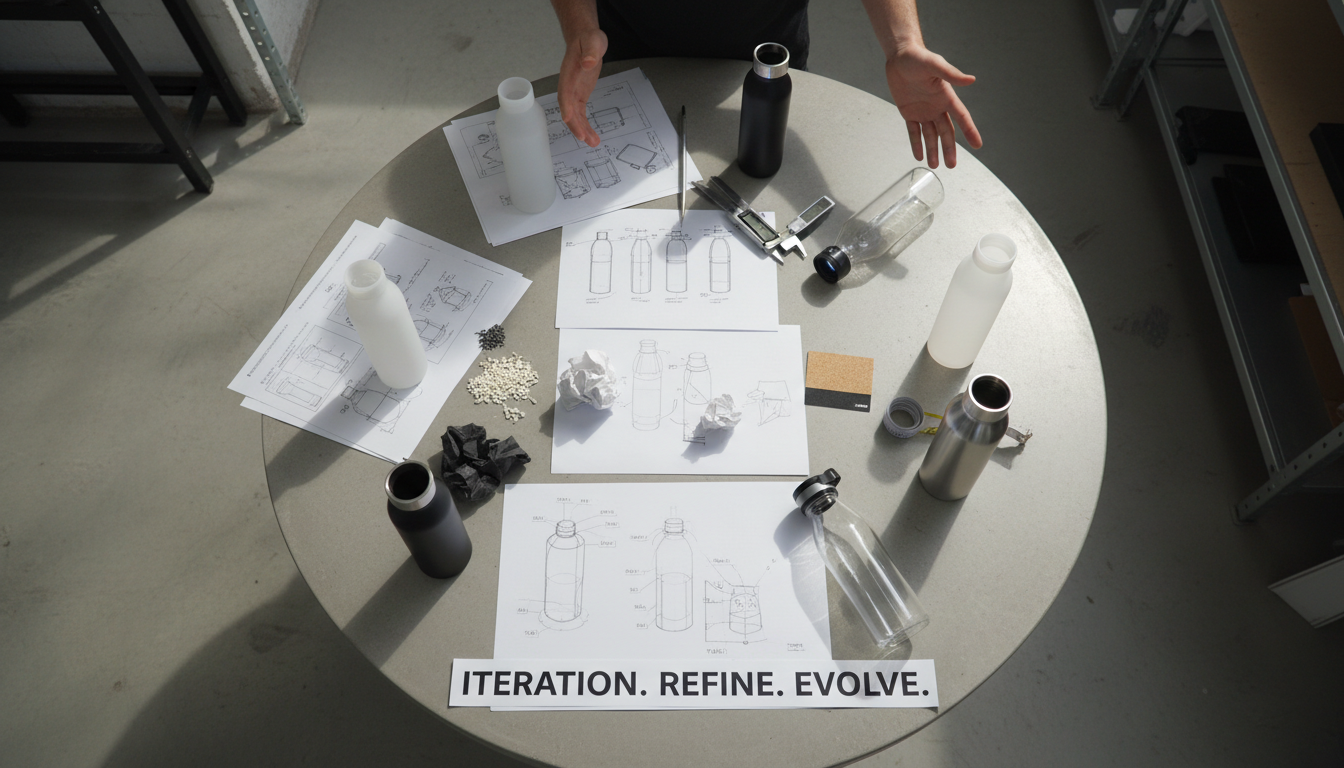
UX design is an iterative process. Based on feedback from usability testing, designers make necessary adjustments and improvements. This cycle of designing, testing, and refining continues until the product meets the desired user experience standards.
By embracing an iterative approach, designers can ensure that their products evolve to meet changing user needs and technological advancements. This commitment to continuous improvement is what sets successful UX designers apart.
In conclusion, mastering UX design requires a deep understanding of users, a commitment to research, and a willingness to iterate. By focusing on user-centered strategies, designers can create products that are not only functional but also delightful to use.