
How to Create User-Centric Designs: A Comprehensive Guide


Understanding User-Centric Design
Creating user-centric designs is all about focusing on the needs, preferences, and limitations of the end-users. The process involves understanding how users interact with a product and ensuring that their experience is as seamless as possible. By prioritizing the user, businesses can create designs that are both functional and aesthetically pleasing.

Conducting User Research
User research is the backbone of user-centric design. It involves gathering insights about user behaviors, needs, and motivations through various methods such as surveys, interviews, and usability testing. This data helps inform design decisions, ensuring they are aligned with actual user requirements.
Methods for user research can be categorized into two main types:
- Quantitative Research: This includes surveys and analytics that provide numerical data.
- Qualitative Research: Focuses on understanding user attitudes and behaviors through interviews and observations.
Creating User Personas
Once the research is collected, the next step is to create user personas. These are fictional characters that represent different user types that might use your product. User personas help designers keep the end-user in mind throughout the design process.

Key components of a user persona include:
- Demographics: Age, gender, occupation, etc.
- Goals and motivations
- Behavior patterns
- Pain points
Designing with Empathy
Empathy is crucial in user-centric design. It involves putting oneself in the user's shoes to understand their experience and emotions. Designers must consider how users feel when interacting with a product and ensure the design addresses their needs and concerns.

Empathetic design is not just about addressing pain points; it's about creating an emotional connection between the user and the product. This connection can lead to increased user satisfaction and loyalty.
Iterative Design Process
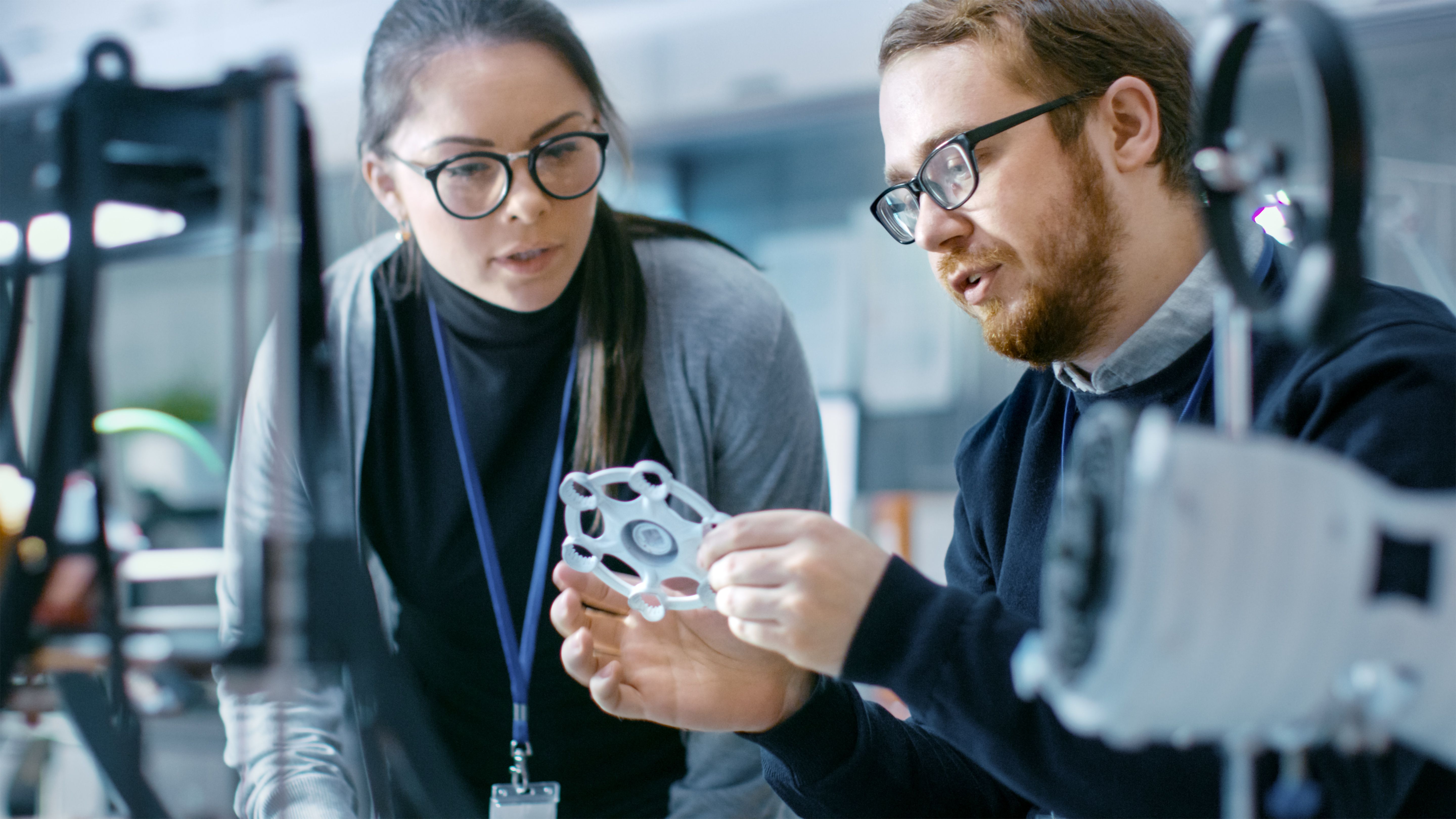
The design process should be iterative, constantly evolving based on user feedback. This involves creating prototypes, testing them with real users, and refining the design based on their feedback. Iteration ensures that the design remains relevant to user needs and adapts to any changes in user behavior.
An iterative process often follows these steps:
- Prototype creation
- User testing
- Feedback analysis
- Design refinement
Conclusion
Creating user-centric designs is a dynamic process that requires constant attention to user needs and preferences. By conducting thorough user research, developing detailed personas, designing with empathy, and embracing an iterative process, businesses can create products that truly resonate with their users. This approach not only enhances user satisfaction but also drives business success.