
Exploring AI-Driven Design Trends: What You Need to Know


Introduction to AI-Driven Design Trends
Artificial Intelligence (AI) is transforming numerous industries, and the design sector is no exception. By leveraging AI-driven tools, designers can enhance creativity, efficiency, and innovation. From automating repetitive tasks to providing data-driven insights, AI is reshaping how design projects are approached and executed.
In this blog post, we will explore some of the most prominent AI-driven design trends that are influencing the creative landscape today. Whether you're a seasoned designer or just beginning your journey, understanding these trends can provide valuable insights into the future of design.

Automated Design Processes
One of the most significant impacts of AI in design is the automation of routine tasks. AI tools can handle tasks such as resizing images, generating color palettes, and even creating entire layouts. This automation allows designers to focus more on the creative aspects of their work, reducing the time spent on mundane activities.
Designers can use AI-powered platforms to generate multiple design variations quickly. This capability provides more options to choose from and enables rapid prototyping, which is crucial in fast-paced environments.
AI in Graphic Design
AI is also making waves in graphic design by offering tools that can analyze and predict design trends. These tools can suggest design elements based on current trends, helping designers stay ahead of the curve. Moreover, AI can assist in creating personalized designs, tailoring content to specific audiences.

Enhancing Creativity with AI
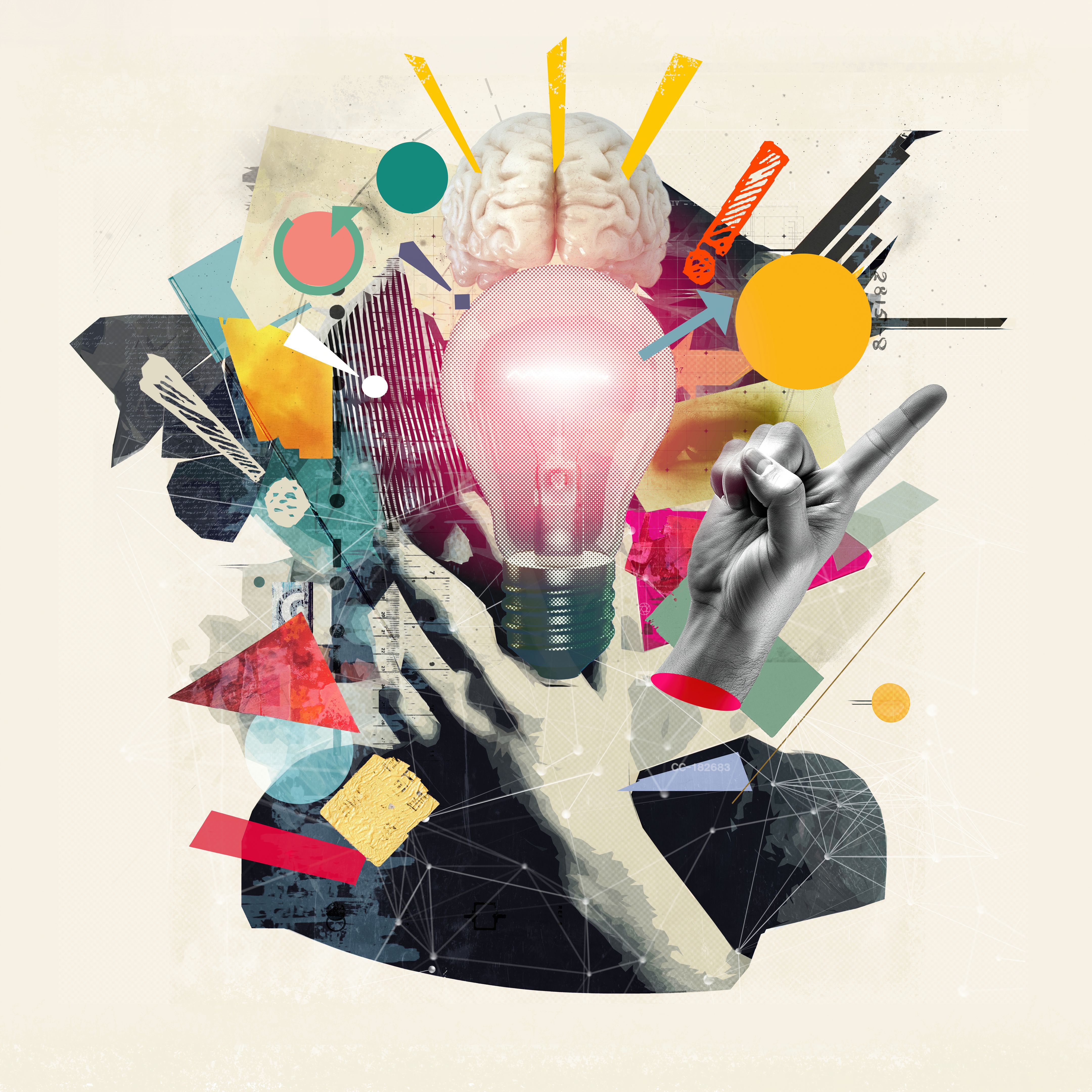
While some fear that AI might stifle creativity, the reality is quite the opposite. AI can serve as a creative partner, offering new perspectives and ideas that designers might not have considered. By analyzing vast amounts of data, AI can provide inspiration and suggest unique design elements.
For instance, AI can analyze user interactions and preferences to suggest design changes that enhance user experience. This data-driven approach ensures that designs are not only aesthetically pleasing but also functional and user-friendly.
Personalization and User Experience
AI's ability to analyze user data enables the creation of highly personalized designs. By understanding user preferences and behaviors, designers can tailor their creations to meet specific needs. This personalization enhances user engagement and satisfaction.
Moreover, AI-driven tools can simulate user interactions, allowing designers to test and refine their designs before launch. This ensures a seamless and intuitive user experience, which is crucial in today's competitive market.
Challenges and Considerations
While AI offers numerous benefits, integrating it into the design process comes with challenges. Designers must ensure that AI tools are used ethically and do not infringe on creativity or originality. Additionally, there's a learning curve associated with adopting new technologies, which can be a barrier for some.
Understanding the limitations of AI and maintaining a balance between human creativity and machine efficiency is essential for successful integration.
The Future of AI in Design
As AI technology continues to evolve, its role in design will likely expand. Future developments may include more sophisticated tools capable of understanding and replicating human emotions and aesthetics, further blurring the lines between human and machine creativity.
Designers who embrace AI-driven tools will likely find themselves at the forefront of innovation, leading the way in creating cutting-edge designs that resonate with audiences worldwide.