
Choosing the Right UX Strategy: A Comparison Guide


Understanding UX Strategy
Choosing the right UX strategy is crucial for ensuring a seamless user experience. A well-designed UX strategy not only enhances customer satisfaction but also boosts engagement and conversion rates. Understanding the core principles of UX design can guide you in selecting the most effective approach for your business needs.

Key Elements of UX Strategy
When developing a UX strategy, it's essential to consider several key elements. These include user research, interaction design, and usability testing. Each component plays a vital role in creating a cohesive and user-friendly experience.
User research involves gathering insights about the target audience's needs and behaviors. This information helps in designing intuitive interfaces that cater to user preferences.
Interaction Design
Interaction design focuses on the way users interact with a product. It involves creating interfaces that are easy to navigate and understand. Effective interaction design ensures that users can accomplish their goals with minimal effort.

Usability Testing
Usability testing is a critical step in the UX strategy process. It involves evaluating a product's functionality by observing real users as they engage with it. This testing helps identify potential issues and areas for improvement, ensuring a smoother user experience.
Comparing Different UX Strategies
There are several UX strategies to choose from, each with its unique advantages. Let's explore some popular options:
- User-Centered Design (UCD): Focuses on understanding user needs and creating designs that prioritize them.
- Lean UX: Emphasizes rapid experimentation and iteration, allowing for quick adjustments based on user feedback.
- Agile UX: Integrates UX design into the agile software development process, promoting collaboration and flexibility.
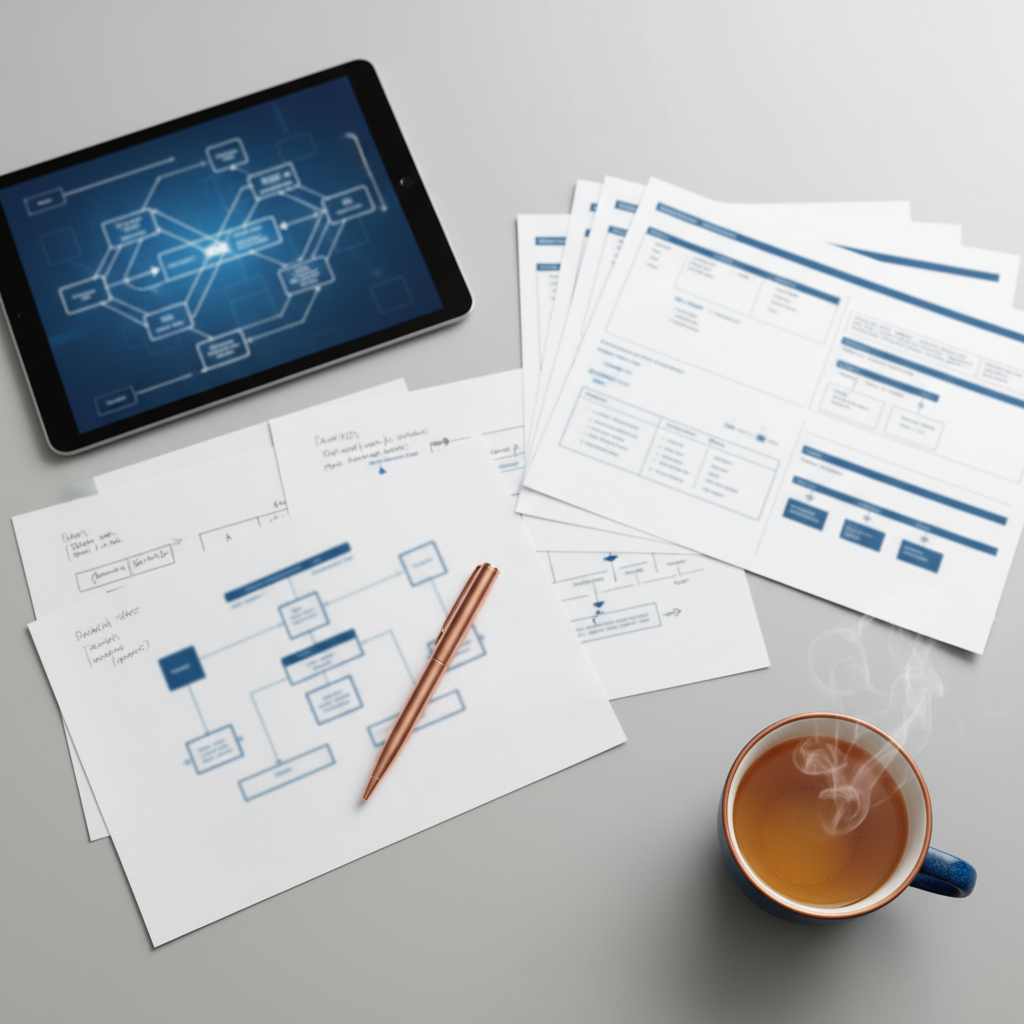
User-Centered Design (UCD)
User-Centered Design places the user at the core of the design process. This strategy involves continuous user feedback and iterative design adjustments, ensuring the final product aligns closely with user needs and expectations.
Lean UX
Lean UX is ideal for teams looking to innovate quickly. By prioritizing experimentation and user feedback, Lean UX allows for the development of creative solutions that are tested and refined rapidly.
Agile UX
Agile UX integrates UX design into the agile development framework, fostering a collaborative environment where designers and developers work closely together. This strategy is beneficial for projects requiring flexibility and adaptability.
In conclusion, selecting the right UX strategy depends on your specific goals, resources, and team dynamics. By understanding the strengths of each approach, you can tailor a strategy that enhances user satisfaction and drives business success.