
Case Study: Successful UX Strategies Using AI Technology


Introduction to AI in UX Design
In recent years, the integration of AI technology into user experience (UX) design has revolutionized how businesses interact with their customers. By leveraging machine learning and data analytics, companies are creating more intuitive, personalized, and efficient user interfaces.

This case study explores successful UX strategies implemented by leading companies using AI technology. We'll delve into how these strategies have improved user engagement and satisfaction, providing valuable insights for any business looking to enhance its digital presence.
Personalization Through Machine Learning
One of the most significant advantages of AI in UX design is the ability to personalize user experiences. By analyzing user behavior and preferences, AI algorithms can tailor content and interfaces to meet individual needs.
For instance, streaming services use AI to recommend content based on viewing history, while e-commerce platforms suggest products aligned with a user's browsing habits. This level of personalization not only enhances user satisfaction but also increases conversion rates.

Case Example: E-commerce Platform
An innovative e-commerce platform implemented AI-driven personalization, resulting in a 30% increase in sales. By utilizing data from user interactions, the platform provided personalized product recommendations, targeted promotions, and customized search results.
Enhancing Usability with AI
AI technology also plays a crucial role in improving the usability of digital products. By automating routine tasks and simplifying complex processes, AI helps create a more seamless user experience.
For example, AI-powered chatbots can handle customer inquiries, providing instant support and freeing up human resources for more complex issues. Similarly, voice recognition technology allows users to interact with devices hands-free, enhancing accessibility and convenience.

Case Example: Customer Service Automation
A leading telecommunications company integrated AI chatbots into their customer service operations, reducing response times by 50%. The chatbots efficiently managed common queries, allowing human agents to focus on resolving more intricate problems.
Future Trends in AI and UX
As AI technology continues to evolve, its impact on UX design will only grow. Emerging trends include AI-driven design tools that automate the creation of user interfaces and predictive analytics that anticipate user needs before they arise.
Additionally, ethical considerations are becoming increasingly important. Ensuring transparency and user data privacy will be crucial as AI systems become more integrated into everyday life.
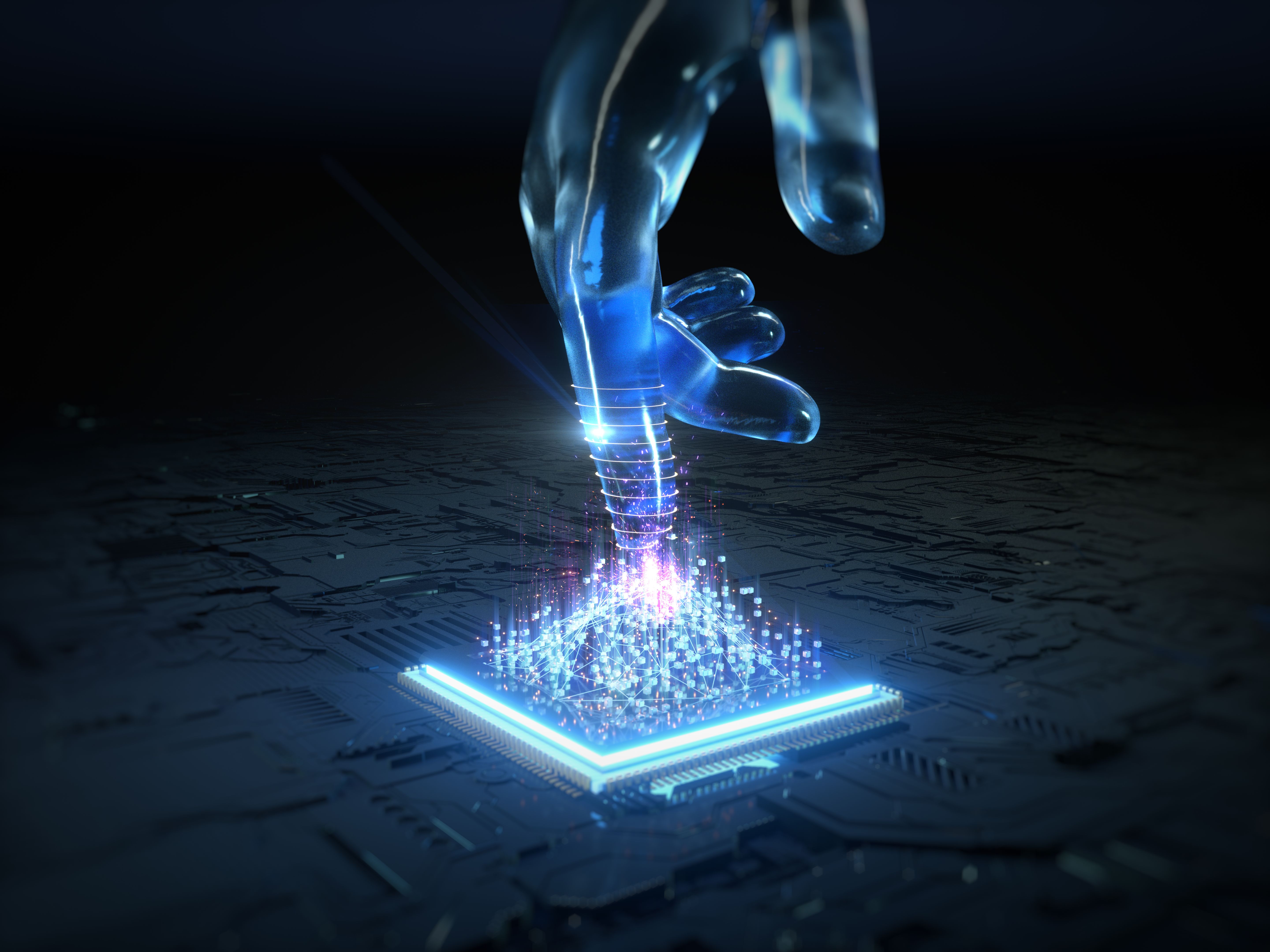
By staying informed about these advancements and adopting AI-driven UX strategies, businesses can remain competitive and continually improve their customer interactions.
Conclusion
AI technology is transforming the landscape of UX design, offering unprecedented opportunities for personalization, usability, and efficiency. By examining successful case studies, businesses can learn valuable lessons and apply these strategies to their own digital platforms.
Embracing AI in UX design not only enhances user satisfaction but also drives business growth, setting the stage for a more connected and intuitive digital world.