
AI vs Human: Who Designs Better User Experiences?


Introduction
In the realm of design, the debate between AI and human creativity continues to evolve. Both have distinct strengths and weaknesses when it comes to crafting user experiences. But who truly designs better? Let's delve into this fascinating comparison.
The Power of AI in User Experience Design
AI has made significant strides in design, offering tools that can analyze vast amounts of data and provide insights swiftly. This capability allows AI to predict user behavior, personalize experiences, and even automate repetitive tasks with remarkable precision.
One of the standout features of AI in design is its ability to process user feedback and analytics in real-time. This empowers designers to make data-driven decisions, enhancing the overall user experience.
AI Limitations
Despite its advantages, AI has limitations. It lacks the emotional intelligence that human designers bring to the table. AI can struggle with nuances like empathy, which are vital for creating truly engaging and relatable experiences.
The Human Touch in Design
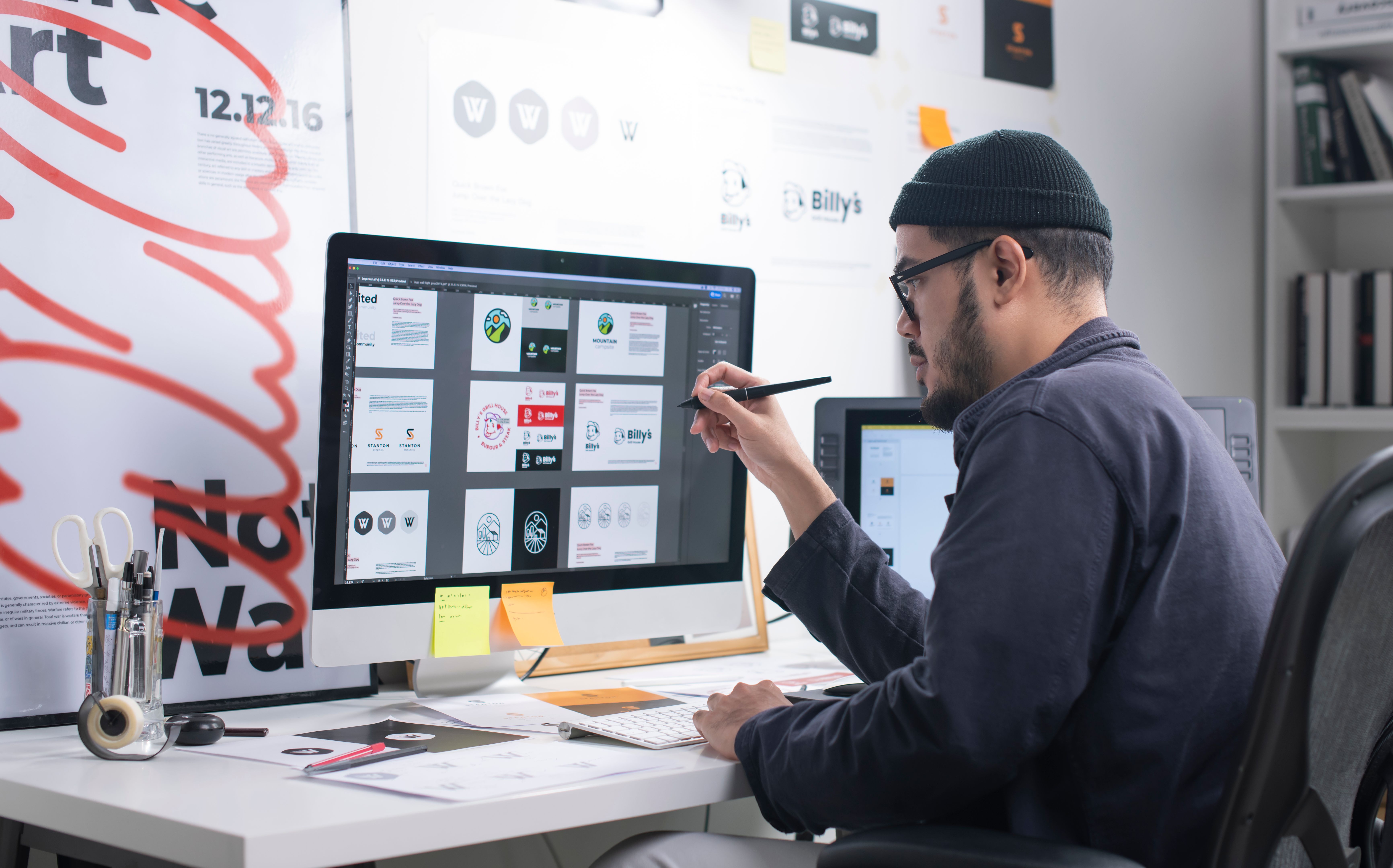
Human designers excel in creativity and empathy. They can interpret emotions and cultural contexts, crafting experiences that resonate on a deeper level. This emotional connection is something AI, at its current stage, cannot replicate.
Humans are adept at storytelling, a crucial aspect of user experience that involves weaving narratives that captivate and engage users. This skill allows them to create experiences that are not just functional but also meaningful.
Challenges for Human Designers
However, designing purely based on intuition and creativity has its challenges. Human designers may face issues with bias, scalability, and consistency, which can impact the quality of the user experience.
Finding a Balance
The future of user experience design likely lies in a harmonious blend of AI and human creativity. By leveraging AI's data-processing abilities alongside human intuition and empathy, designers can create experiences that are both efficient and emotionally resonant.
Collaboration between AI and humans can lead to innovative solutions, enabling designers to push the boundaries of what's possible in user experience design.

Conclusion
In the end, the question of who designs better user experiences is not about choosing one over the other. Instead, it's about recognizing the unique contributions both AI and humans bring to the table. By embracing both, we can unlock the full potential of design, creating user experiences that are not only effective but also enriching.