
AI in UX Design: Transforming User Experience with Technology


In recent years, the integration of artificial intelligence (AI) into UX design has revolutionized how designers approach creating user-friendly interfaces. The impact of AI extends far beyond traditional design practices, offering new ways to enhance user experiences.

Enhancing Personalization
AI allows for a higher degree of personalization in UX design, tailoring experiences to individual users. By analyzing user data, AI can predict preferences and adjust interfaces accordingly. This level of customization leads to more engaging and relevant user interactions.
Personalization is achieved through AI algorithms analyzing user behavior patterns. By understanding these patterns, designers can create interfaces that adapt in real time, offering content and features that resonate with each user.
Adaptive Interfaces
Adaptive interfaces adjust based on user behavior. For instance, if a user frequently accesses a particular feature, AI can make that feature more prominent, improving accessibility and efficiency. This dynamic approach ensures that the interface evolves with the user.
Improving Accessibility
AI also plays a crucial role in enhancing accessibility within UX design. By incorporating AI-driven tools, designers can create interfaces that cater to users with diverse needs, ensuring inclusivity.
AI can assist in generating voice commands, enhancing screen readers, and providing alternative text descriptions, making digital platforms more accessible to users with disabilities. This approach not only broadens the user base but also fosters inclusivity.
Voice-Activated Interfaces
Voice-activated interfaces are becoming increasingly prevalent, driven by AI advancements. These interfaces allow users to interact with technology through voice commands, offering a hands-free experience that benefits all users, particularly those with mobility challenges.

Streamlining Design Processes
AI is transforming not only the user experience but also the design process itself. By automating repetitive tasks, AI enables designers to focus on creativity and innovation.
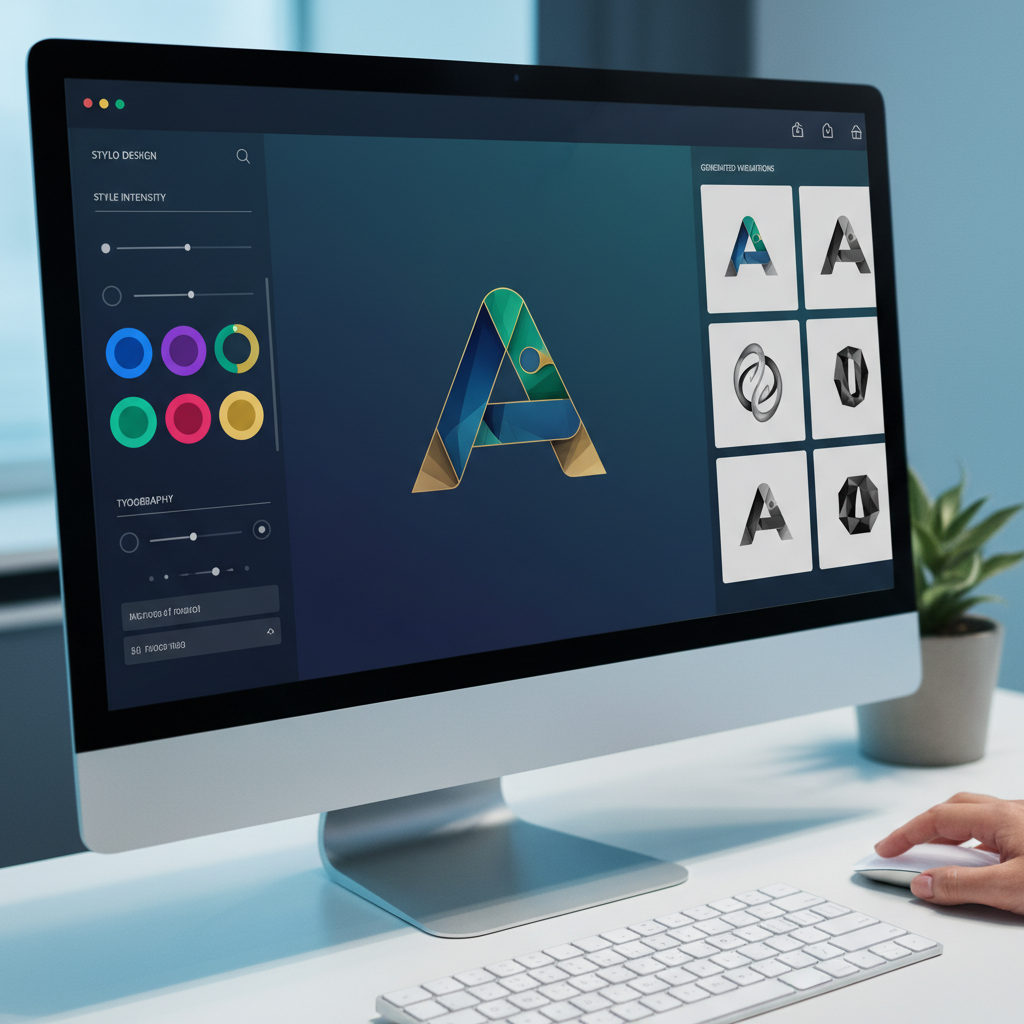
AI tools can generate wireframes, suggest design improvements, and even conduct usability testing. This efficiency allows designers to iterate quickly, reducing time to market and improving overall product quality.
Predictive Analytics
Predictive analytics driven by AI can forecast user behavior and identify potential design issues before they arise. By leveraging data insights, designers can make informed decisions, enhancing the user experience and ensuring the final product meets user expectations.

In conclusion, the integration of AI into UX design is not merely a trend but a transformative shift that is reshaping the way designers approach user experience. From personalization and accessibility to streamlining design processes, AI offers a multitude of benefits that enhance user engagement and satisfaction. As technology continues to evolve, the role of AI in UX design will undoubtedly expand, offering exciting possibilities for the future of digital interaction.